Number of homeless families in Nottingham hotels reduced from 180 to one, council says
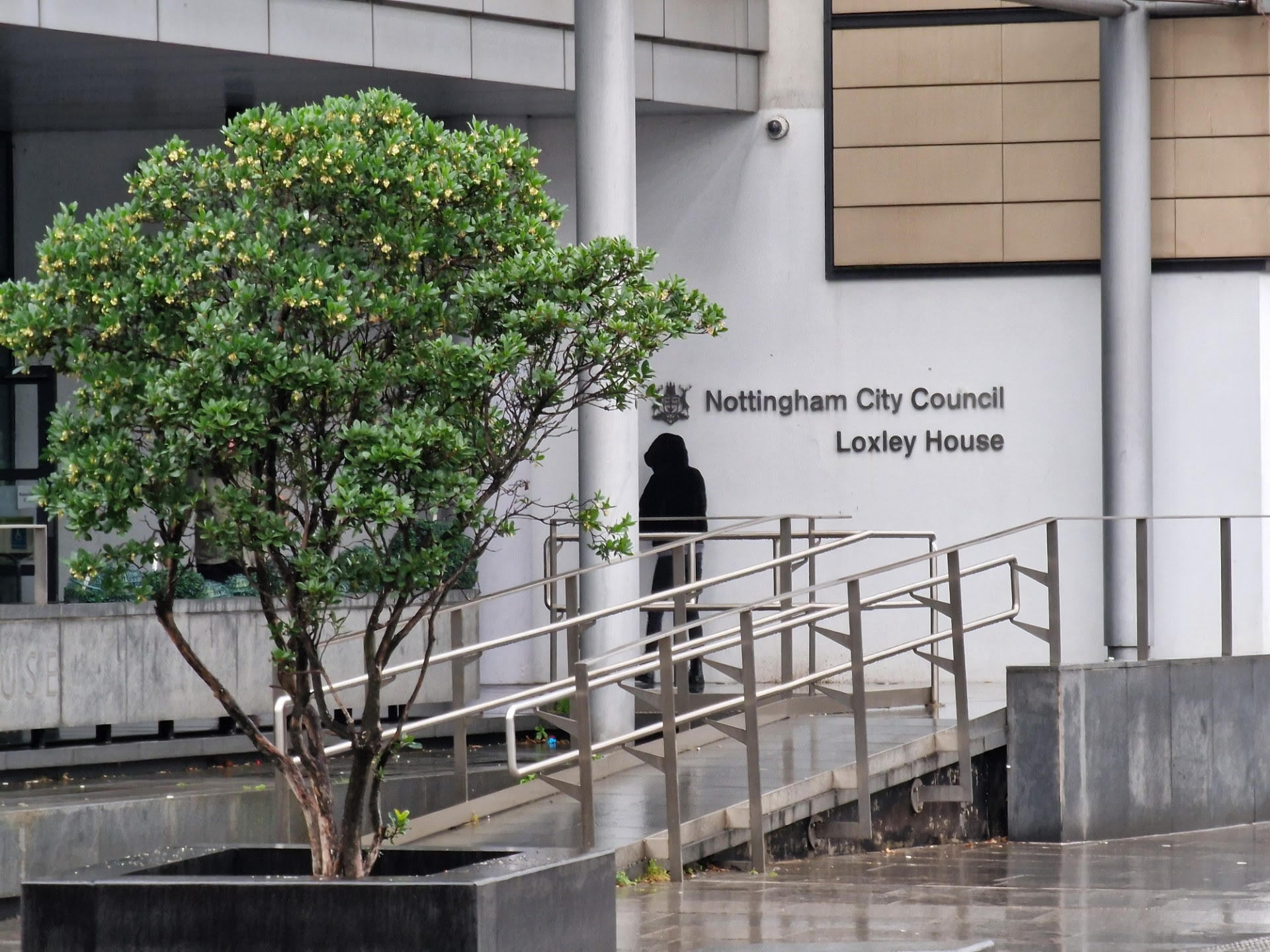
Loxley House (LDRS)
By Joe Locker, Local Democracy Reporter
The number of homeless families living in temporary hotel accommodation for more than six weeks has been reduced from 180 to one.
Soaring homelessness costs is one of the primary reasons behind Nottingham City Council’s financial troubles, particularly amid the cost of living crisis.
Costs related to the use of temporary accommodation, which includes hotels and bed and breakfasts, reached highs of £6.7m last year, outstripping the council’s £4m budget for the problem.
However the Labour-led authority now says it has managed to reduce the number of homeless families put up in hotel accommodation for longer than six weeks by a “remarkable” amount.
Cllr Linda Woodings (Lab), executive member for regional development, growth and transport, said the council had used its new performance management framework to help make the “tangible” changes.
The framework, which is currently in the process of being fully implemented, helps the council better monitor its improvements and operations, which had an problem raised by a team of Government-appointed commissioners.
“What is tangible example is our aim is to keep Nottingham families who have been made homeless out of bed and breakfasts and hotel accommodation,” she said at a meeting on Wednesday (July 30).
“It is wrong for them, it is not right for children, it is not a psychologically-informed environment when you’ve been made homeless.
“There has been, over the past six months, regular deep dives by the corporate leadership team.
“We have seen the numbers come dramatically down. If you look at this time last year, there were nigh-on 180 families being housed in hotel accommodation. Now there is one.
“This is about putting heads together and saying, right, pragmatically, what is not happening here, what do we need to do, are more resources needed? and finding solutions.
“The whole point of the performance management framework is about looking at a serious issue, bringing everyone around the table, and saying, let’s find a solution to this.
“That is a really dramatic example. That is something we pledged as a council to try and deliver for the past few years, it has been made very difficult by national circumstances, but I think by getting down to one family in hotel accommodation as of two days ago is quite remarkable.”
During the Corporate Scrutiny Committee meeting, Cllr Georgia Power (Lab) questioned whether “unintended” consequences had come about as a result of the new target-driven framework.
“How are you ensuring there aren’t intended consequences, or that the unintended consequences are picked up through the performance management framework?
“On the homeless families example, we will have all seen in our casework an increase in the number of people who are housed – but aren’t housed appropriately.
“So they need an extra bedroom, or can’t bid on a property because the properties aren’t there to bid on. If we are just focused on hitting targets, there will be unintended consequences that come out of it, and I am not clear how that is picked up through the framework.”
Council officer James Rhodes admitted managing the council’s performance using numbers and data “will only go so far”, but said it can help flag other areas for further investigation that can be challenged by councillors in meetings.
“You can see the influence of doing more preventative work to reduce the crisis element, so that is the consequence you do want to see,” he added.
“But we will also have metrics where you might see one going one way, but it is just pushing demand to another area, so you can start to see it.”
Explore more
Most Viewed
Related News
Murder investigation after man found dead in home
News • Aug 19, 2025